Photographing Film in New York City at Christmastime
New York City has always felt like a place I wanted to experience slowly—despite its reputation for being anything but. As a photographer who loves film, I’m constantly drawn to moments that feel honest, fleeting, and a little imperfect. So when we found ourselves in New York during Christmastime, bringing a film camera along felt less like a choice and more like a necessity. Film has a way of preserving not just what something looked like, but how it felt—and during the holidays in a city like this, that felt especially important.
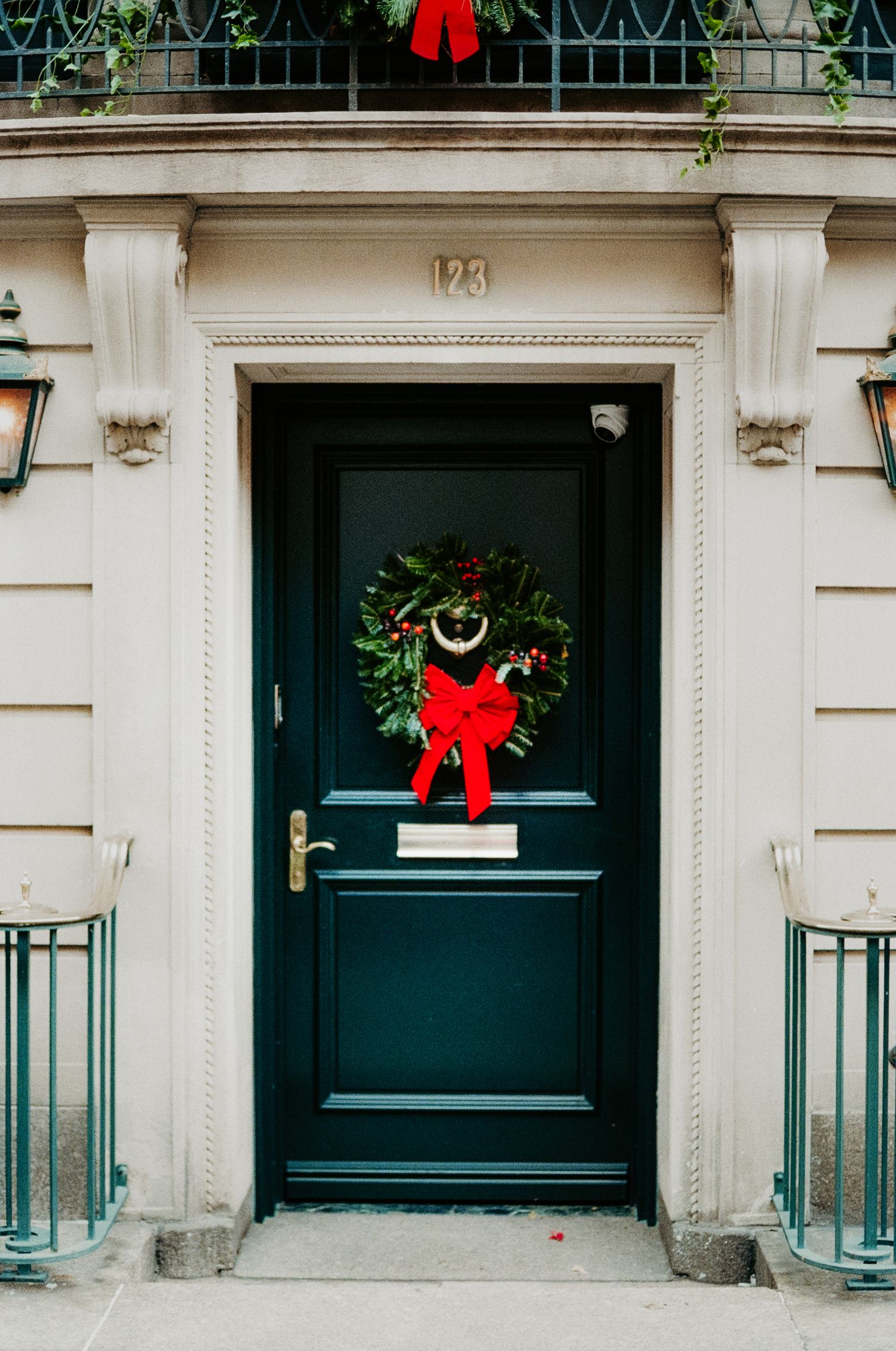
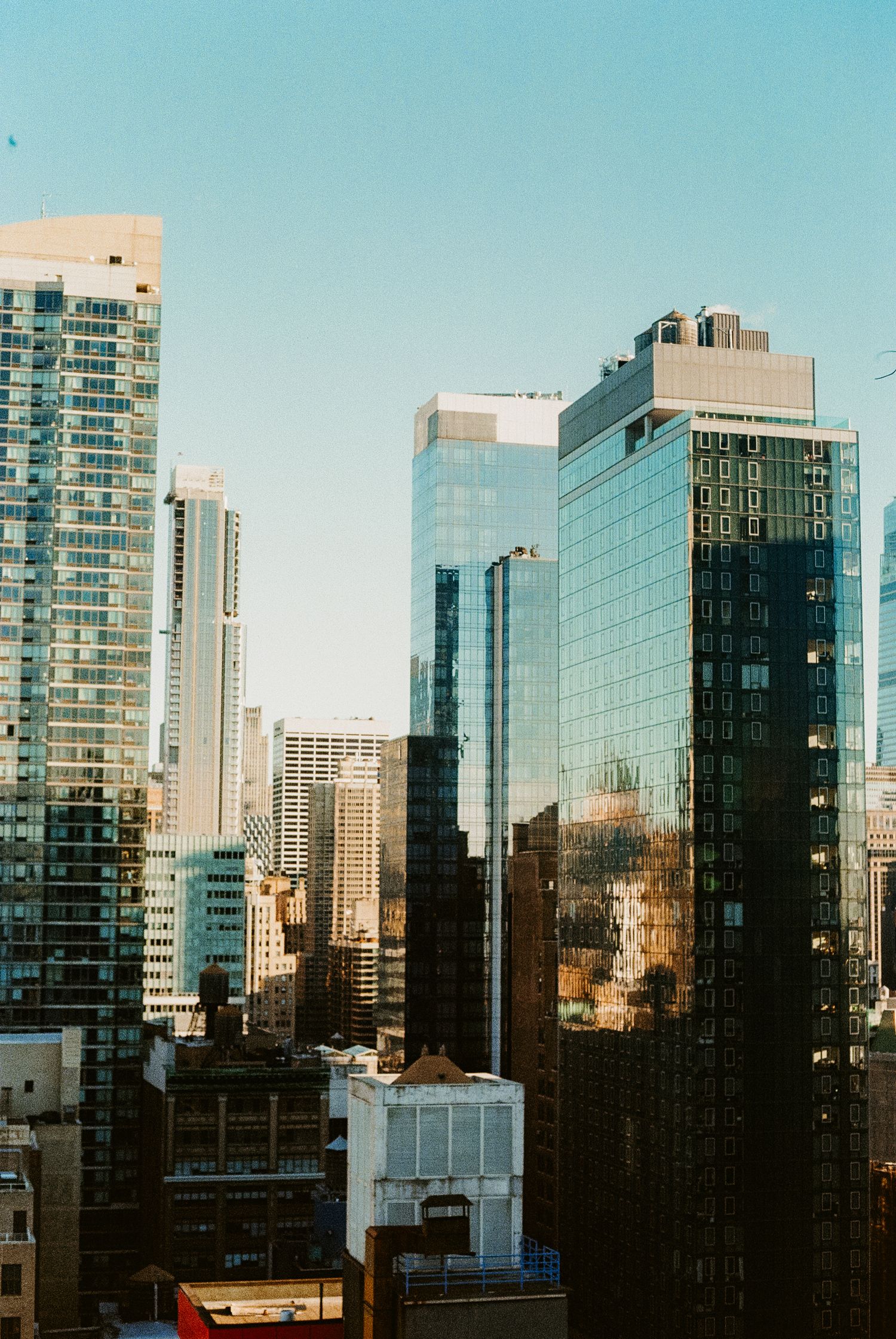
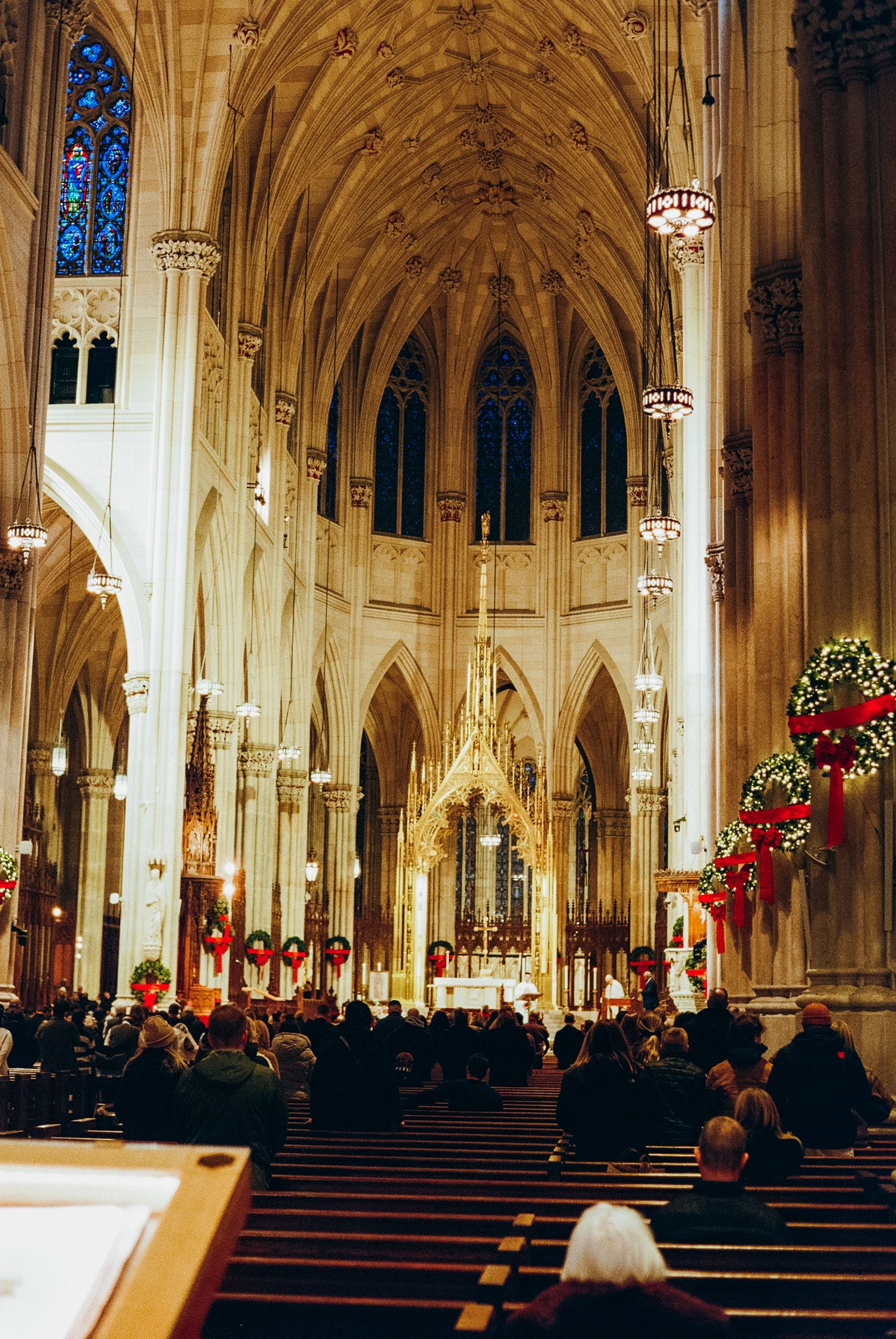
There’s something about New York City during Christmas that already feels like a movie—and photographing it on film only deepens that magic. A sense of unity is so present in such a city of different perspectives, lifestyles, & backgrounds. The city slows just enough to feel sentimental, while still buzzing with its signature energy. This trip wasn’t about chasing perfection or iconic shots for the sake of them—it was about documenting feeling, light, and fleeting moments the way film does best.
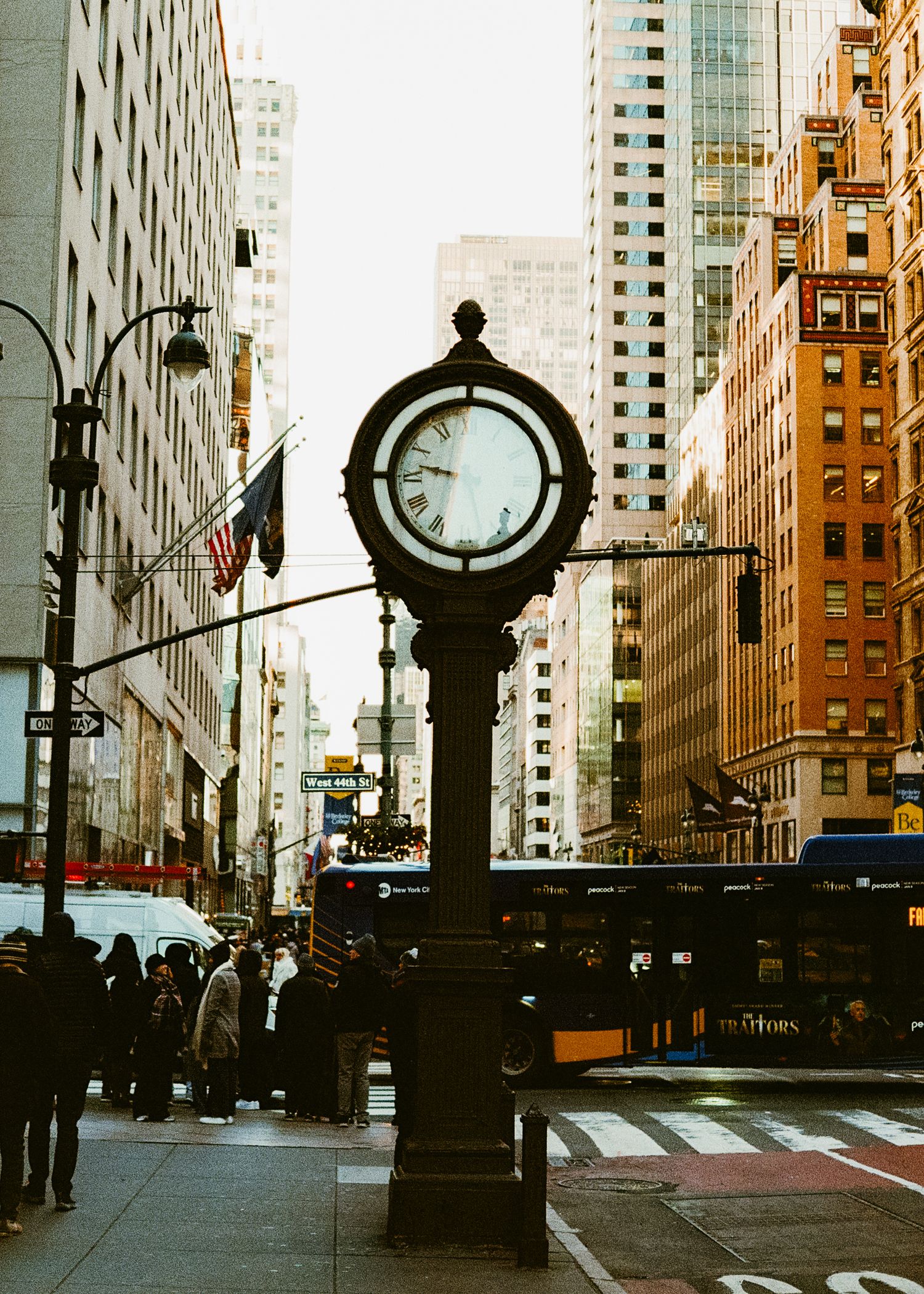
We spent a lot of our time wandering Fifth Avenue, where Christmas feels almost theatrical. Storefronts glow with warm lights, reflections dance across windows, and the sidewalks are full of movement—hands tucked into coats, shoppers carrying bags, tourists stopping mid-stride just to look up. Shooting film here felt intentional. Every frame mattered. I found myself waiting longer, observing more, letting scenes unfold rather than forcing them. Film slows you down in a city that never does, and that contrast is part of what made it so special.
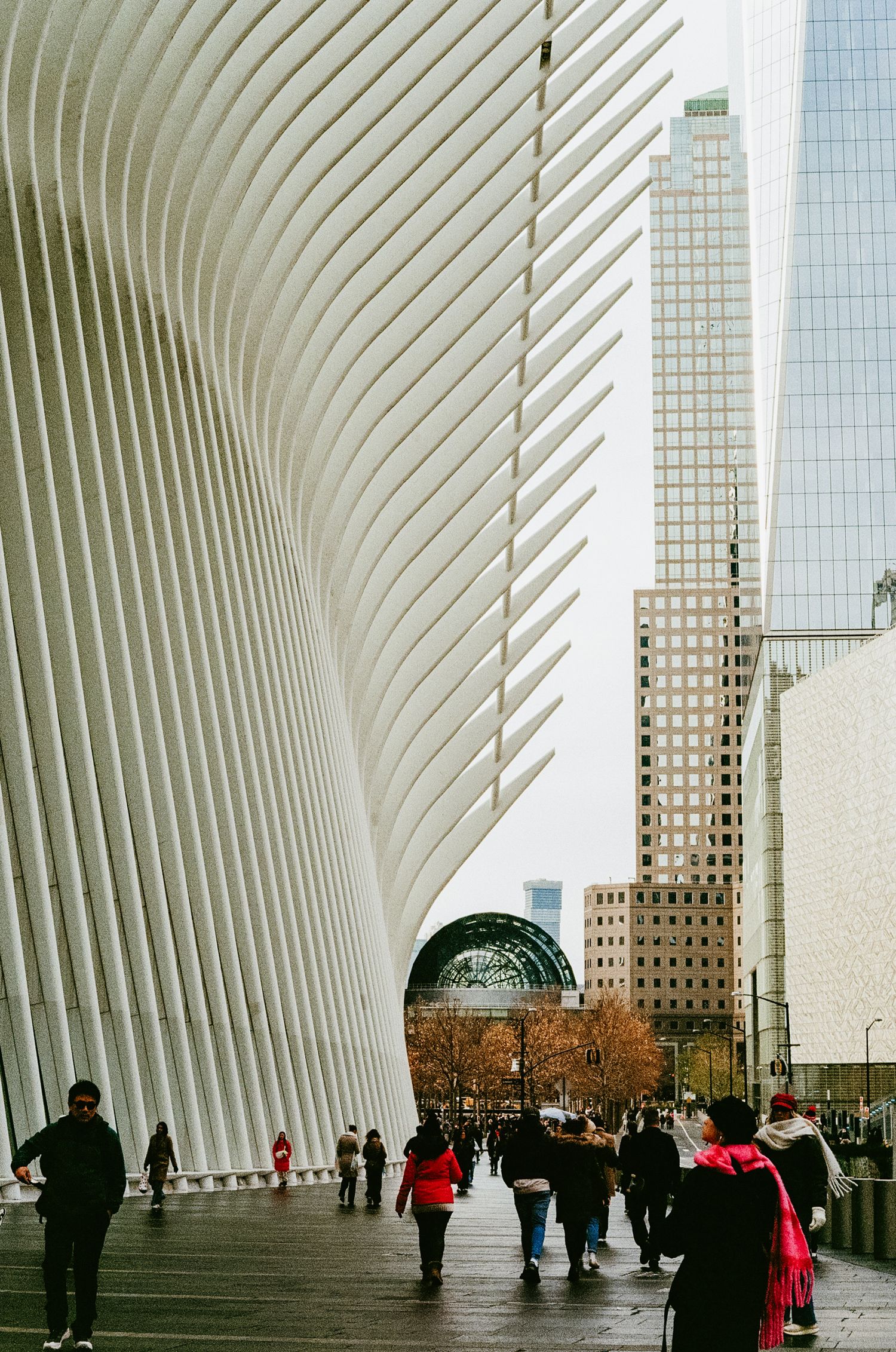
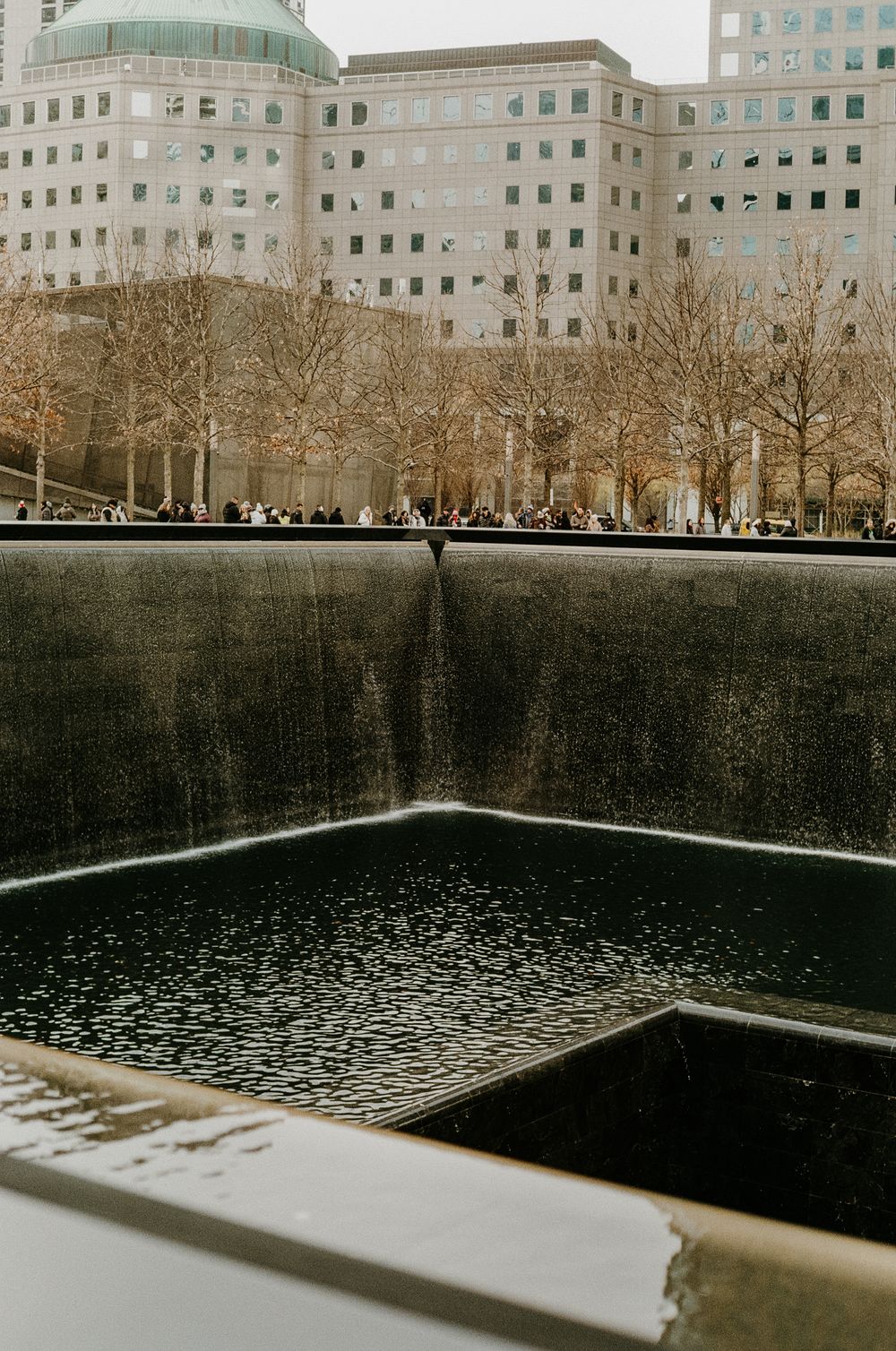
One of the quieter, heavier moments of the trip was visiting the 9/11 Memorial. In the middle of the holiday rush, it feels sacred and still. The sound of water, the names etched into bronze, the way people instinctively lower their voices—it’s a reminder of how layered this city is. Photographing there on film felt especially meaningful. There’s a softness and honesty that film brings, one that felt appropriate in a space meant for remembrance and reflection.
Between the landmarks and long walks, some of my favorite moments came from the in-between stops—ducking into local bakeries to warm up, ordering coffee and pastries, watching fog gather on the windows. These spaces felt intimate and lived-in, a contrast to the grandeur of the city outside. Film thrives in these environments: natural light, texture, quiet gestures. A powdered-sugar-covered counter, a barista mid-movement, hands wrapped around a warm cup—moments that might feel small, but tell the fuller story of being there.
Christmas in New York is often portrayed as big and bold, but shooting film reminded me that the magic is also in the subtlety. The grain, the imperfect exposure, the unknown until the roll is developed—it all mirrors the nostalgia we associate with the season. You don’t get instant feedback. You trust your instincts. You remember how it felt when you pressed the shutter.
Looking back at these images now, they feel like memories rather than photographs—and that’s exactly why I love film. New York at Christmas doesn’t need to be perfect to be beautiful. It just needs to be felt.
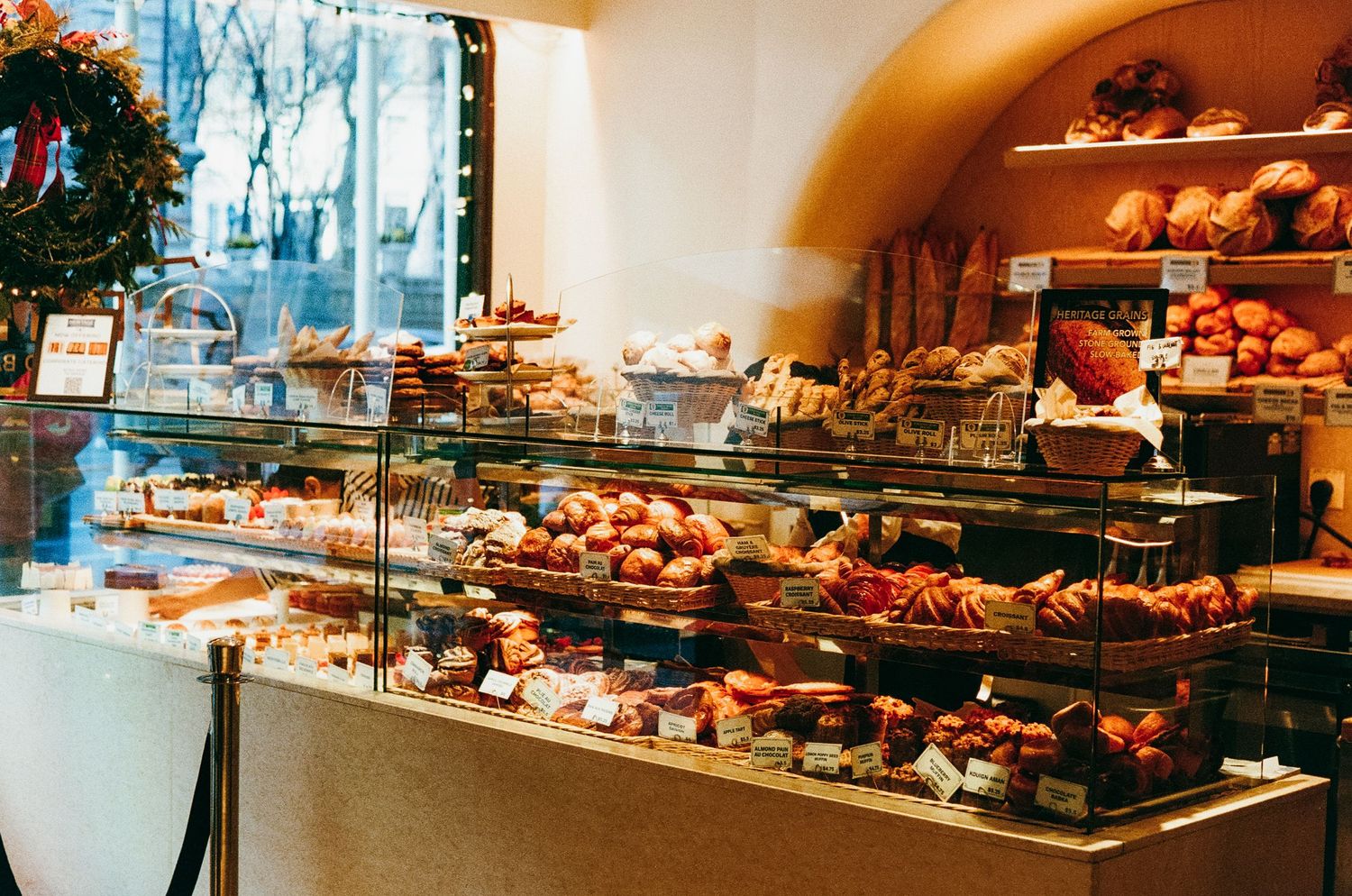
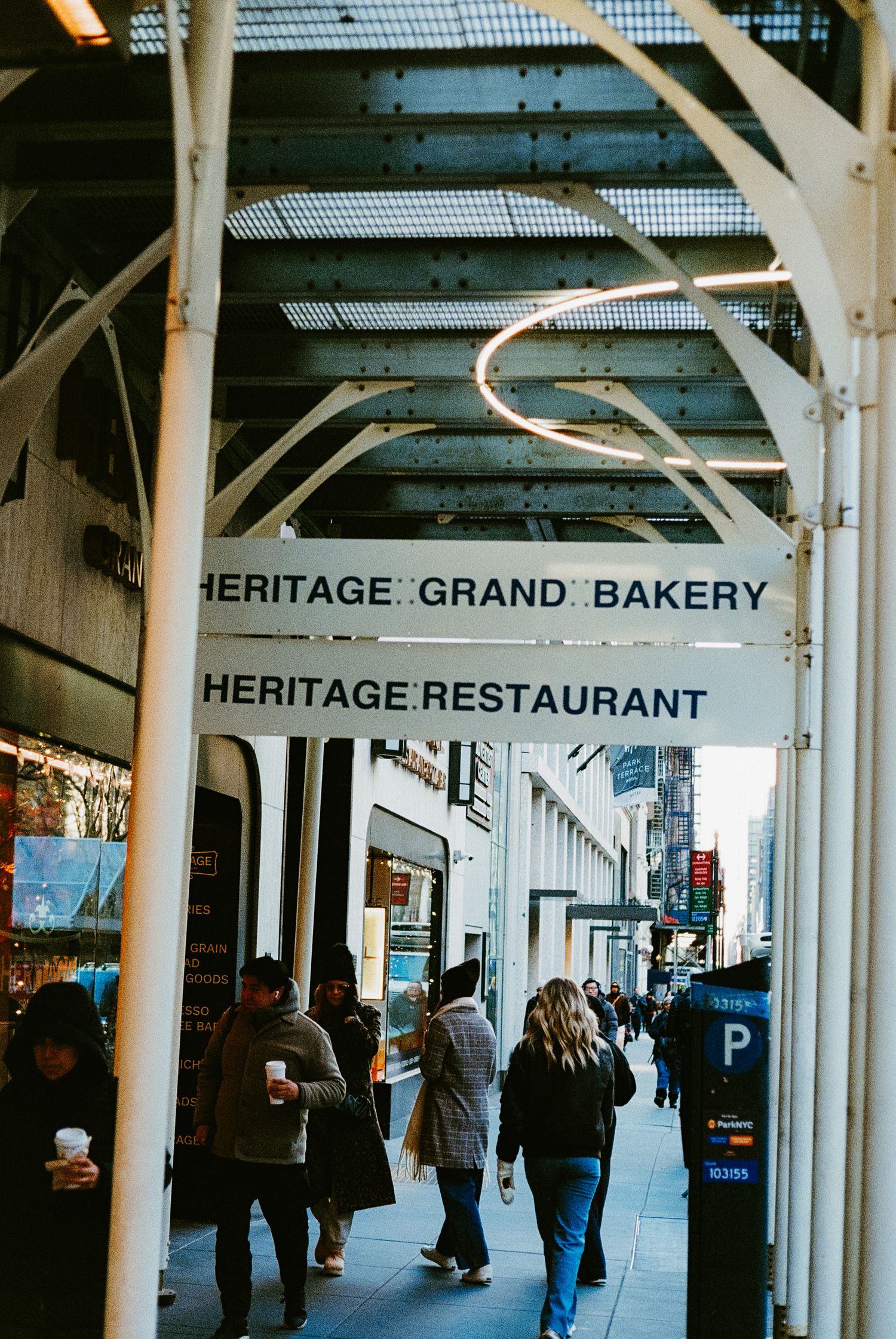
Right off of 5th Avenue: A local favorite.
Heritage Grand Bakery
Along the way, we ducked into Heritage Grand Bakery, a cozy bakery-café just off Fifth Avenue and near Bryant Park. It feels like a quiet European escape in the middle of Manhattan’s holiday rush—warm wood interiors, the smell of fresh bread, and a counter filled with beautifully crafted pastries.
Heritage Grand focuses on tradition and quality, using sustainably sourced ancient grains that are milled on-site, giving their breads and pastries a rich, comforting depth.
STILL MOMENTS CAPTURED THROUGHOUT THE CITY

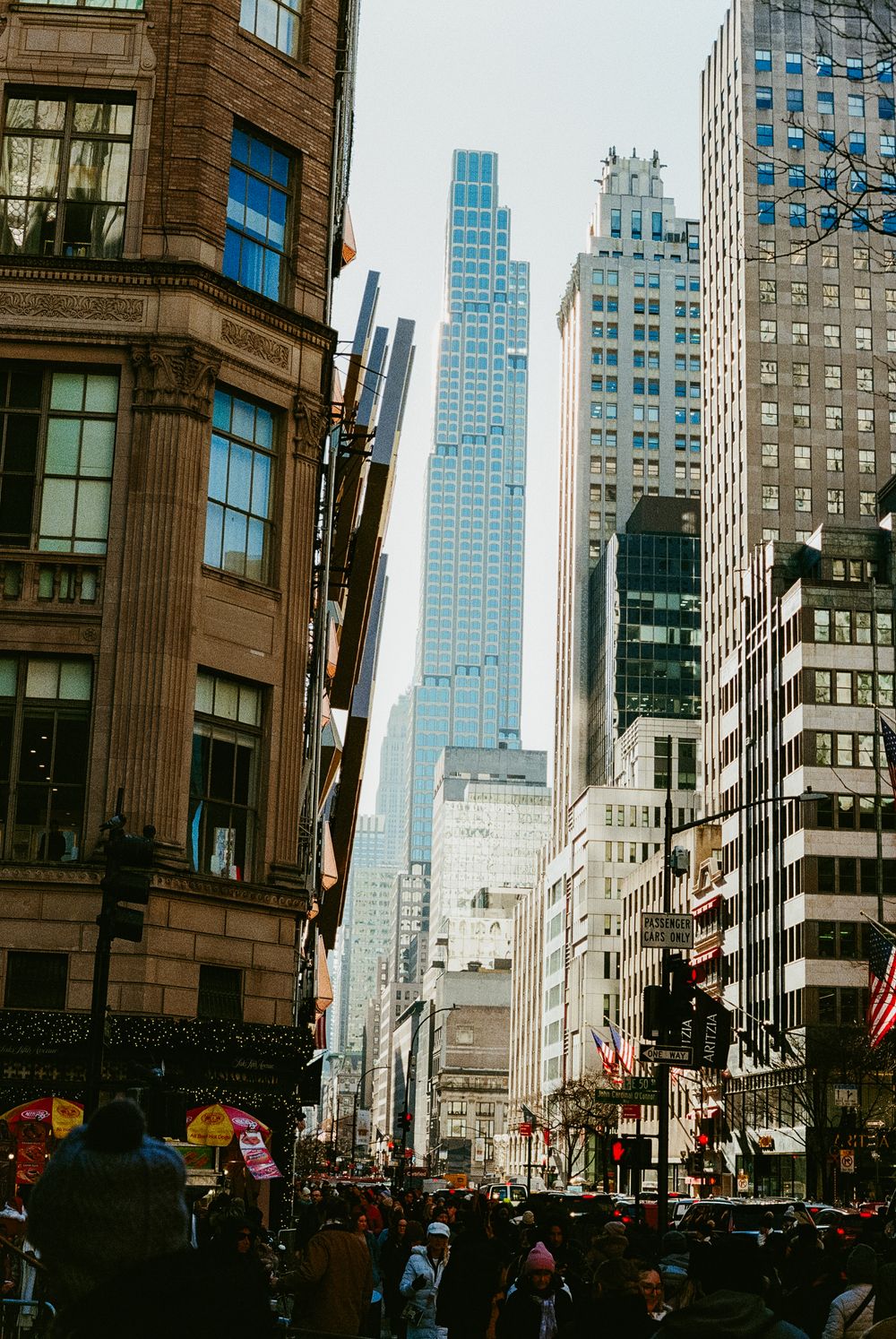
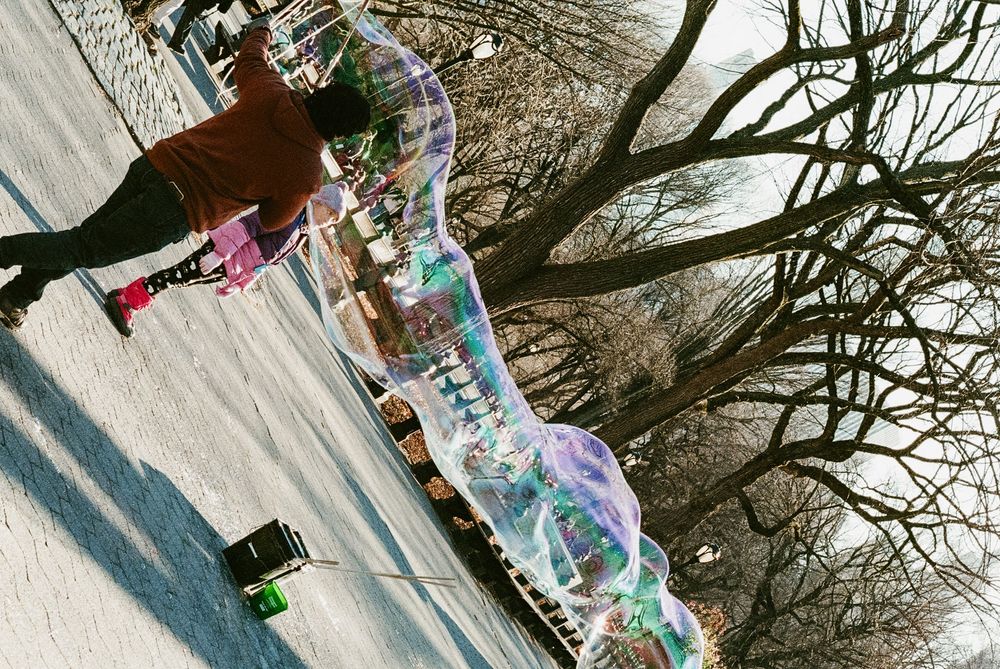
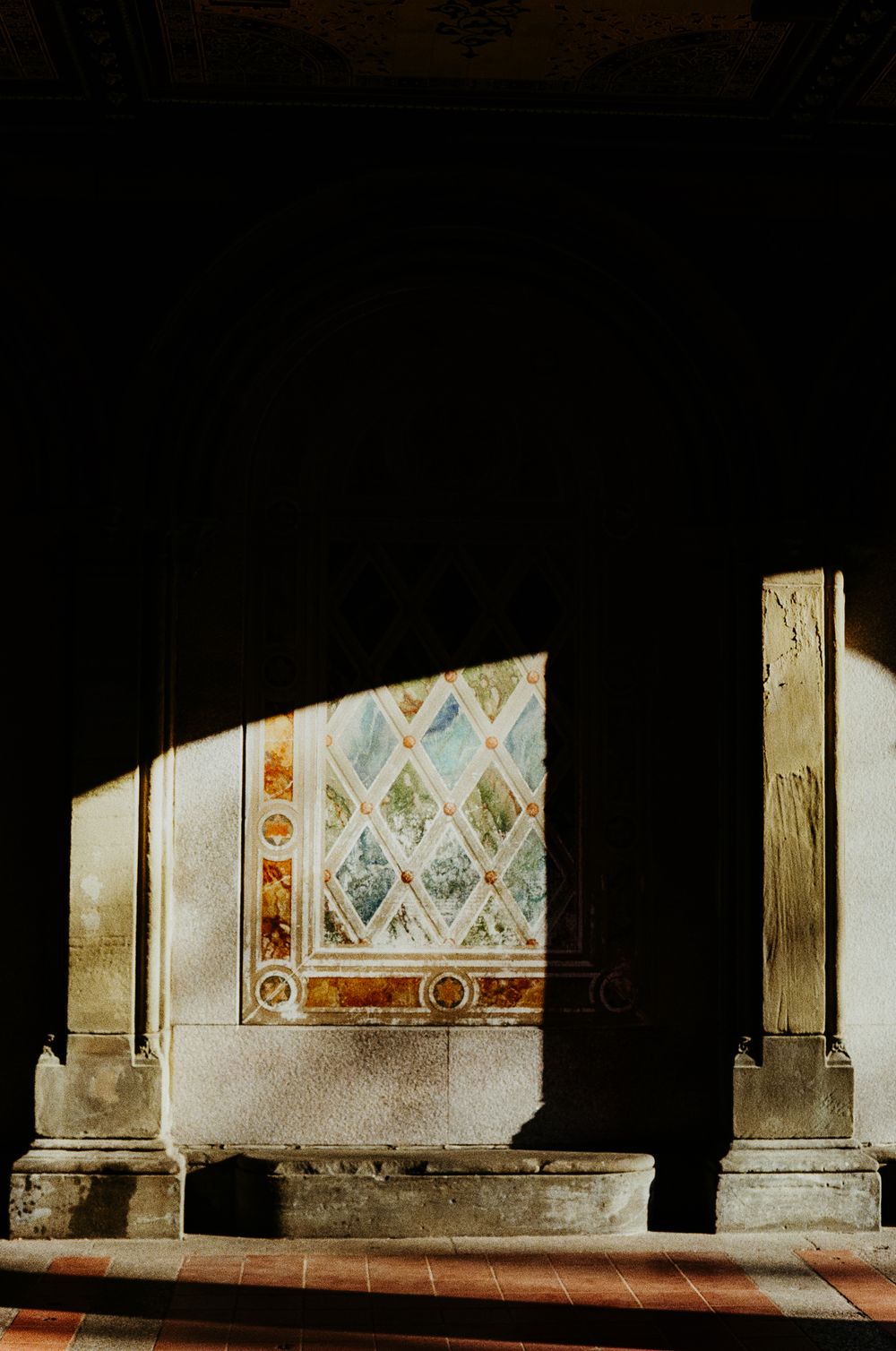
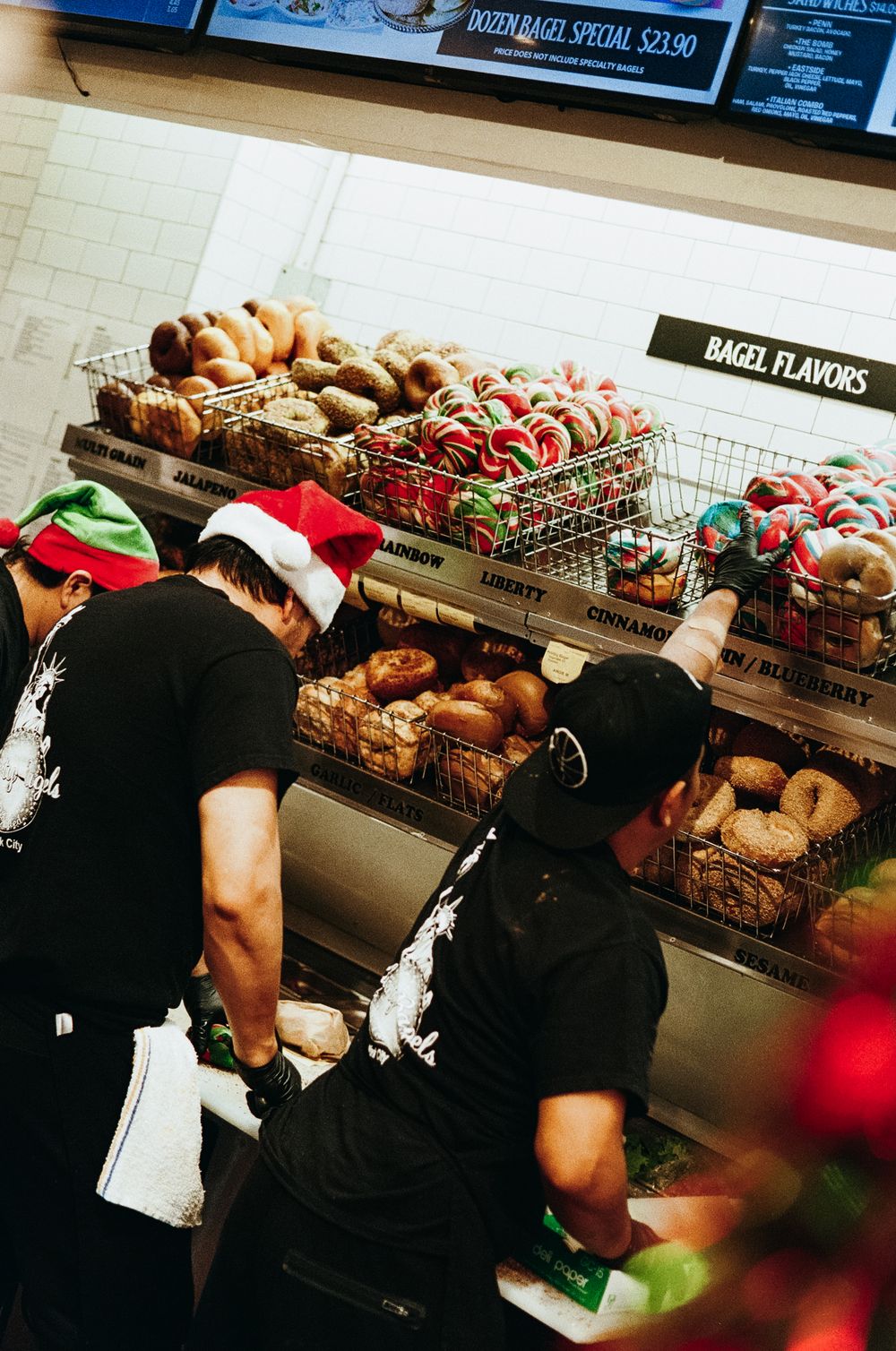
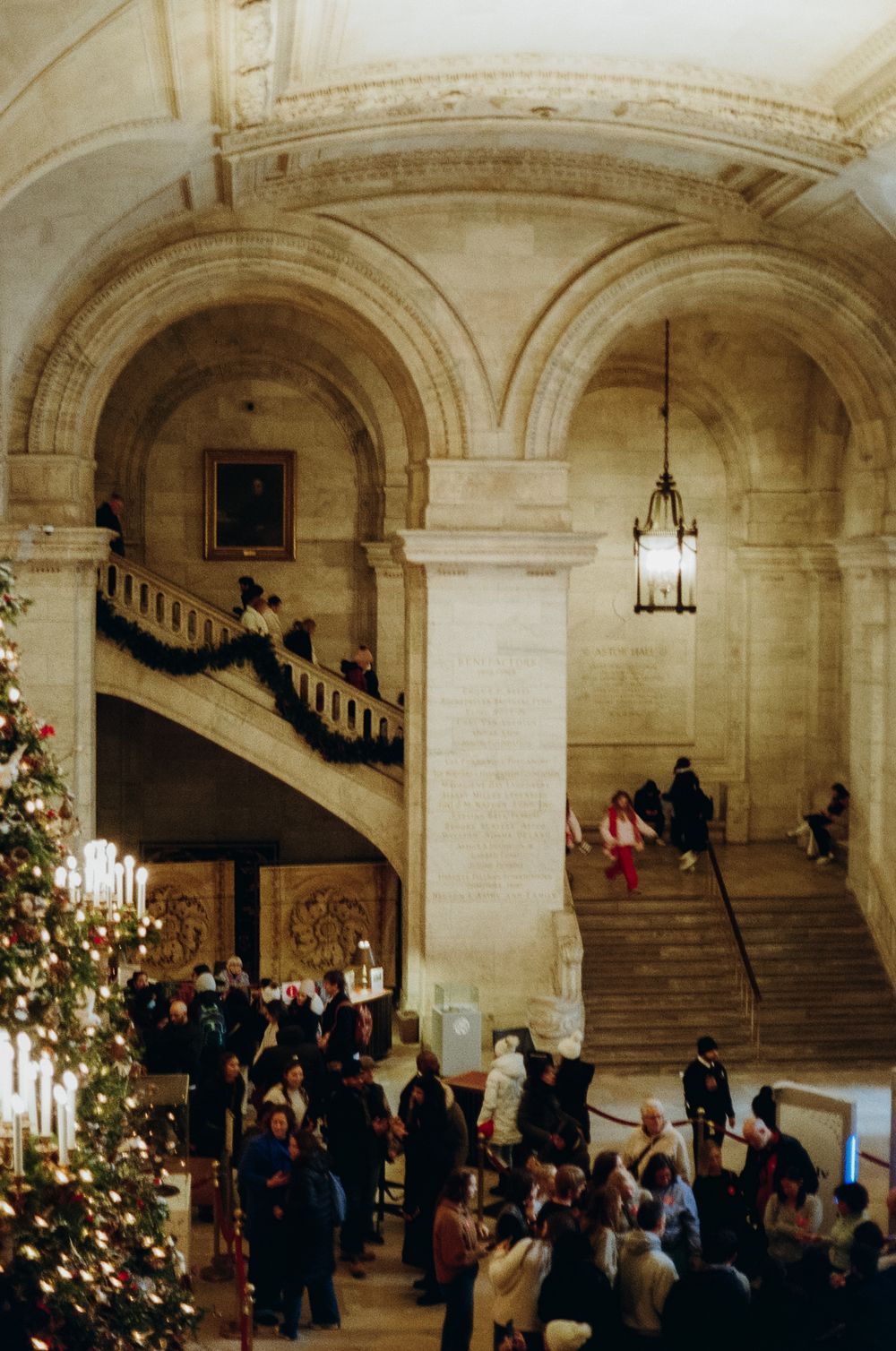
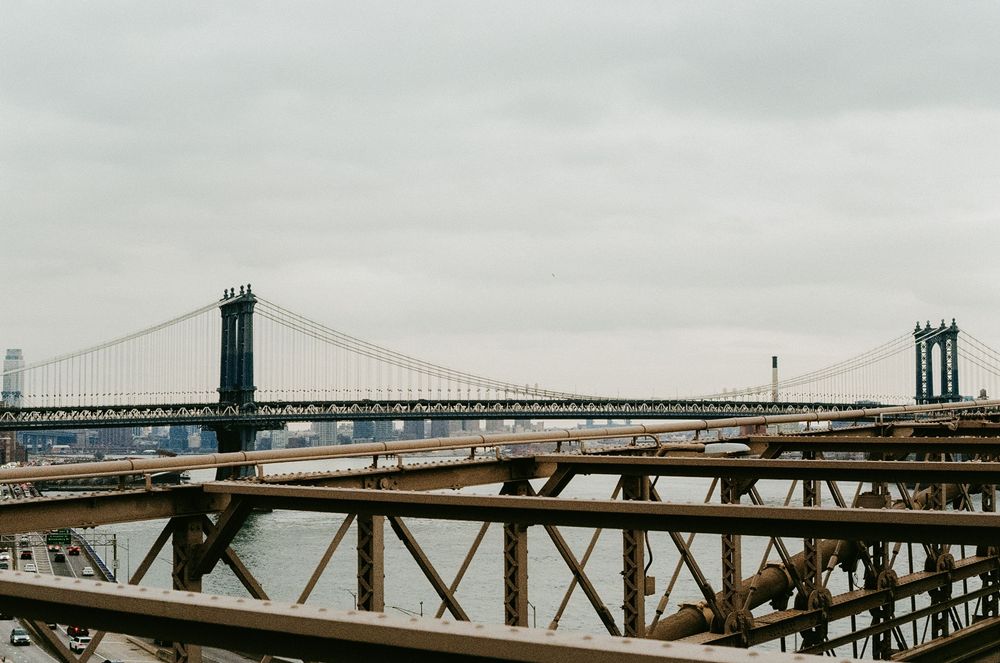
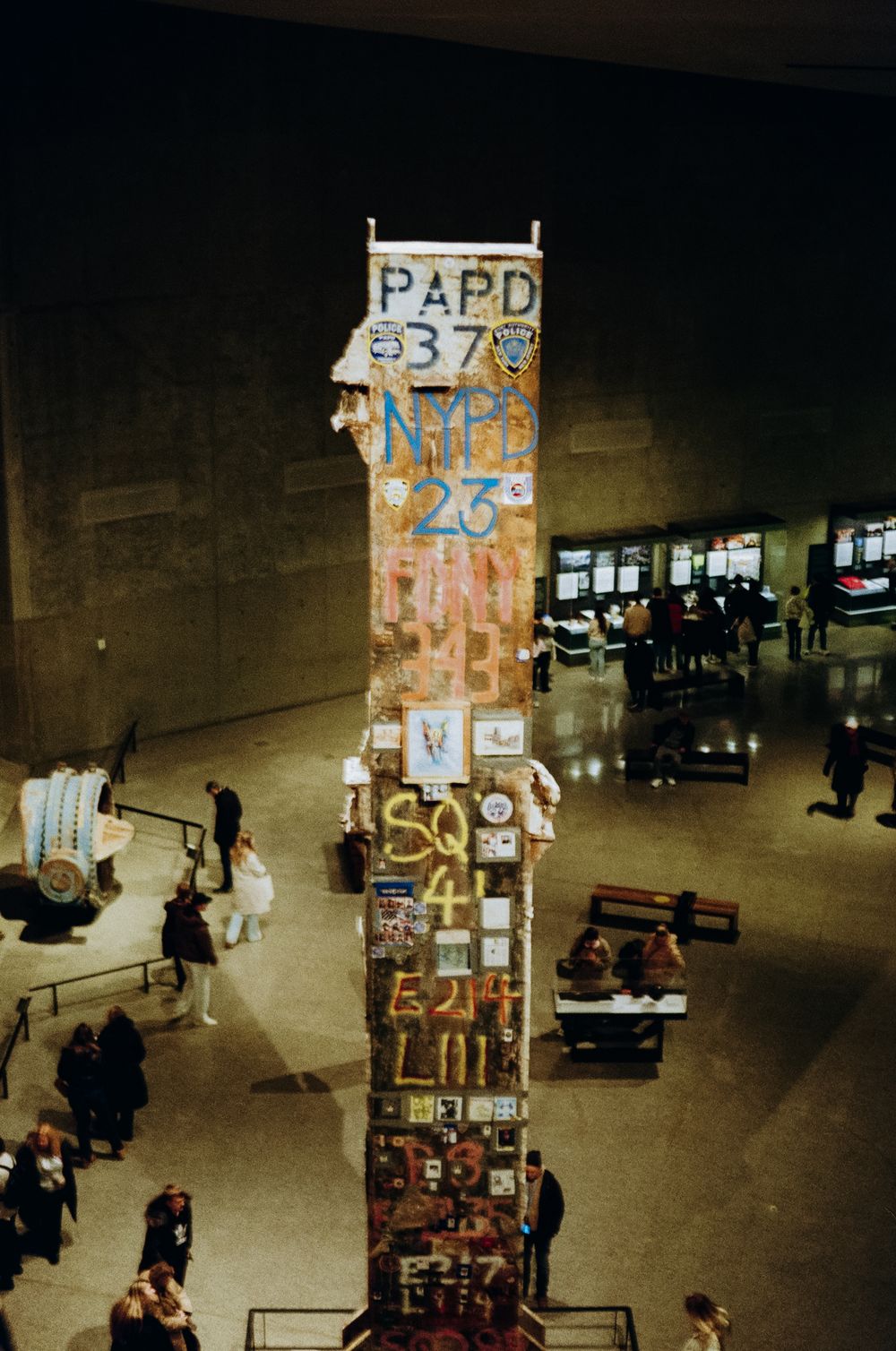
Street photography as a non-street photographer.
Street photography has always felt slightly intimidating—the closeness, the unpredictability, the act of observing real life in real time. New York pushed me to step outside my comfort zone. With a film camera in hand, I learned to trust my instincts, move with intention, and accept moments as they happened. Not every frame was perfect, but each one represented growth—paying attention, taking up space, and allowing the city to unfold without hesitation.
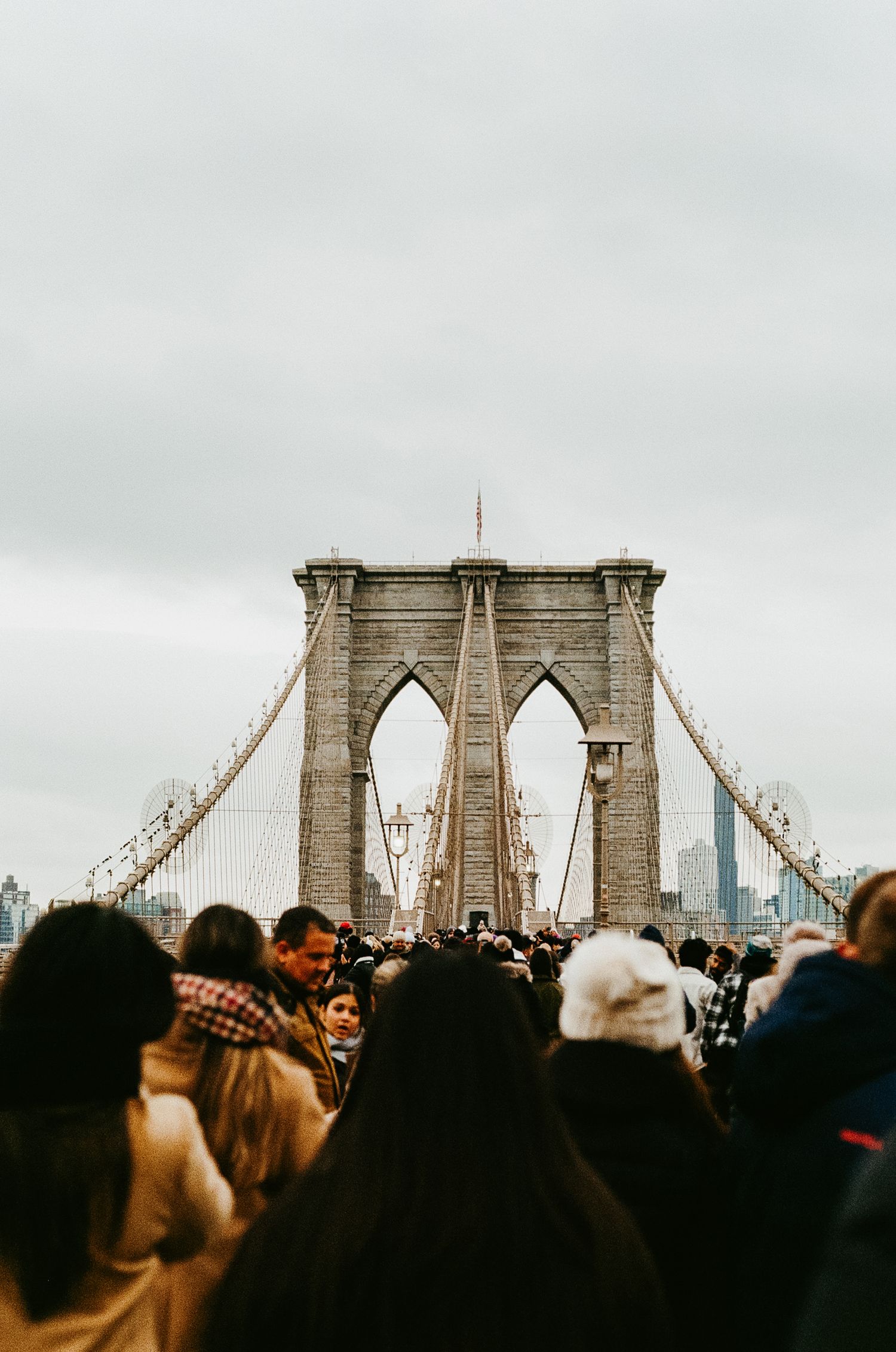
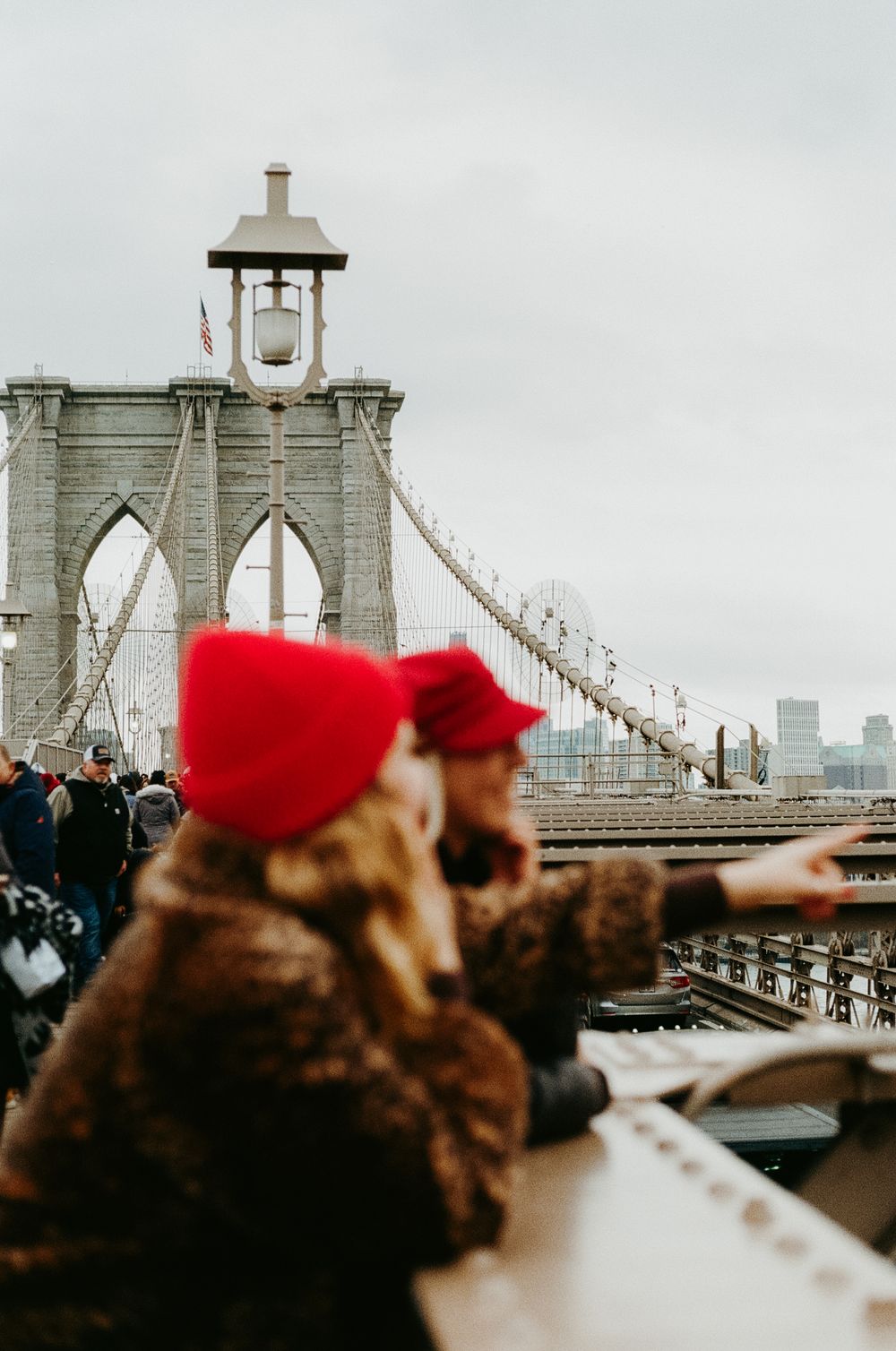
BROOKLYN BRIDGE
Crossing the Brooklyn Bridge offered a clear view of the city’s scale and movement. The steady flow of pedestrians, cyclists weaving through, and traffic passing below created a layered scene of everyday New York life. The bridge’s structure—steel cables, worn planks, and long sightlines—translated naturally to film, emphasizing texture, repetition, and the passage of time. It felt less like a landmark moment and more like a record of the city in motion.
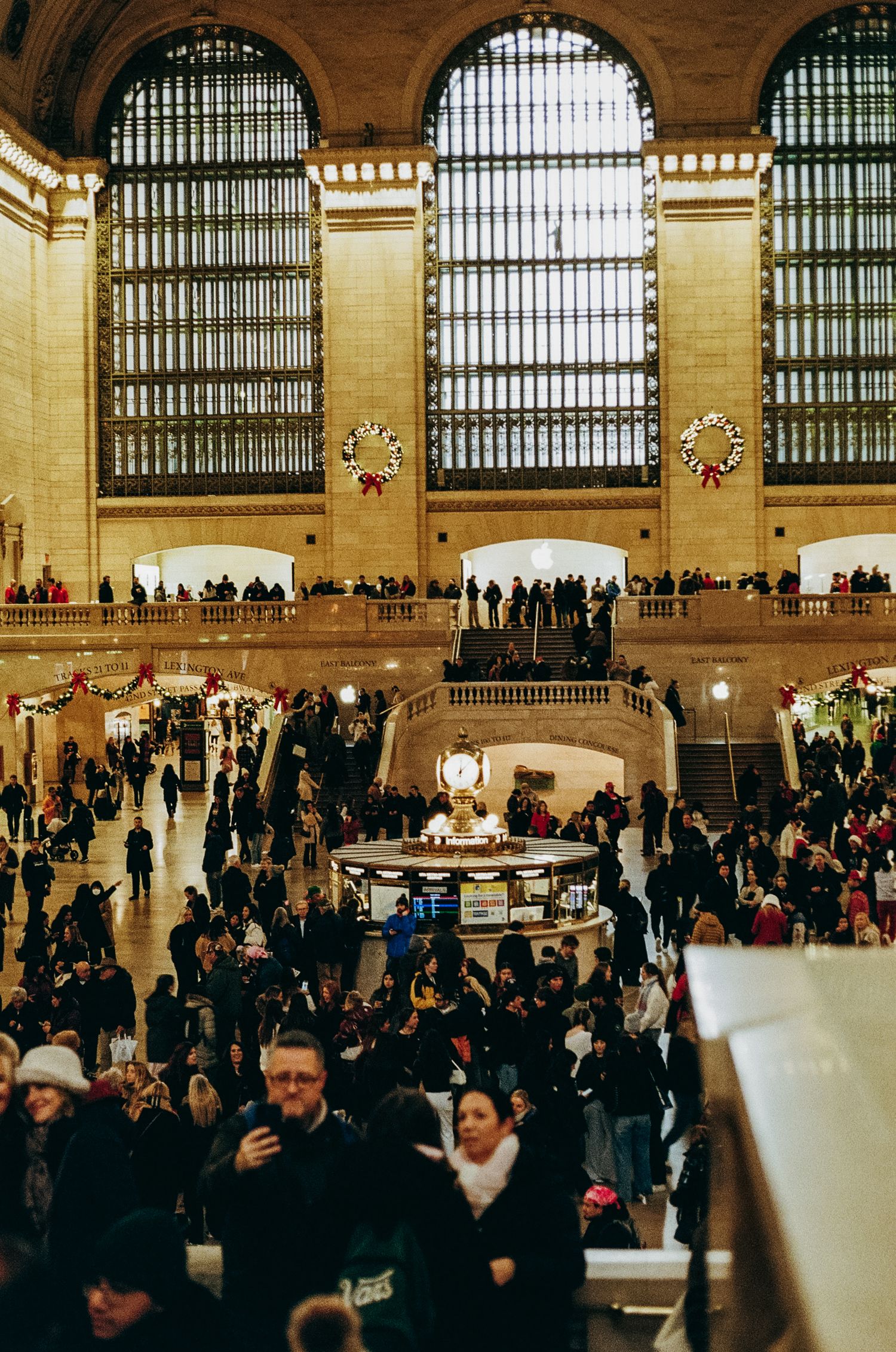
GRAND CENTRAL STATION
Grand Central Station moved with its own internal rhythm. Commuters passed through with purpose, travelers paused to check departure boards, and light filtered in through the high windows, catching dust and motion in equal measure. Photographing on film highlighted the station’s scale and symmetry—the arched ceilings, worn stone, and constant flow of people—capturing it not as a spectacle, but as a working space shaped by time and daily routine.
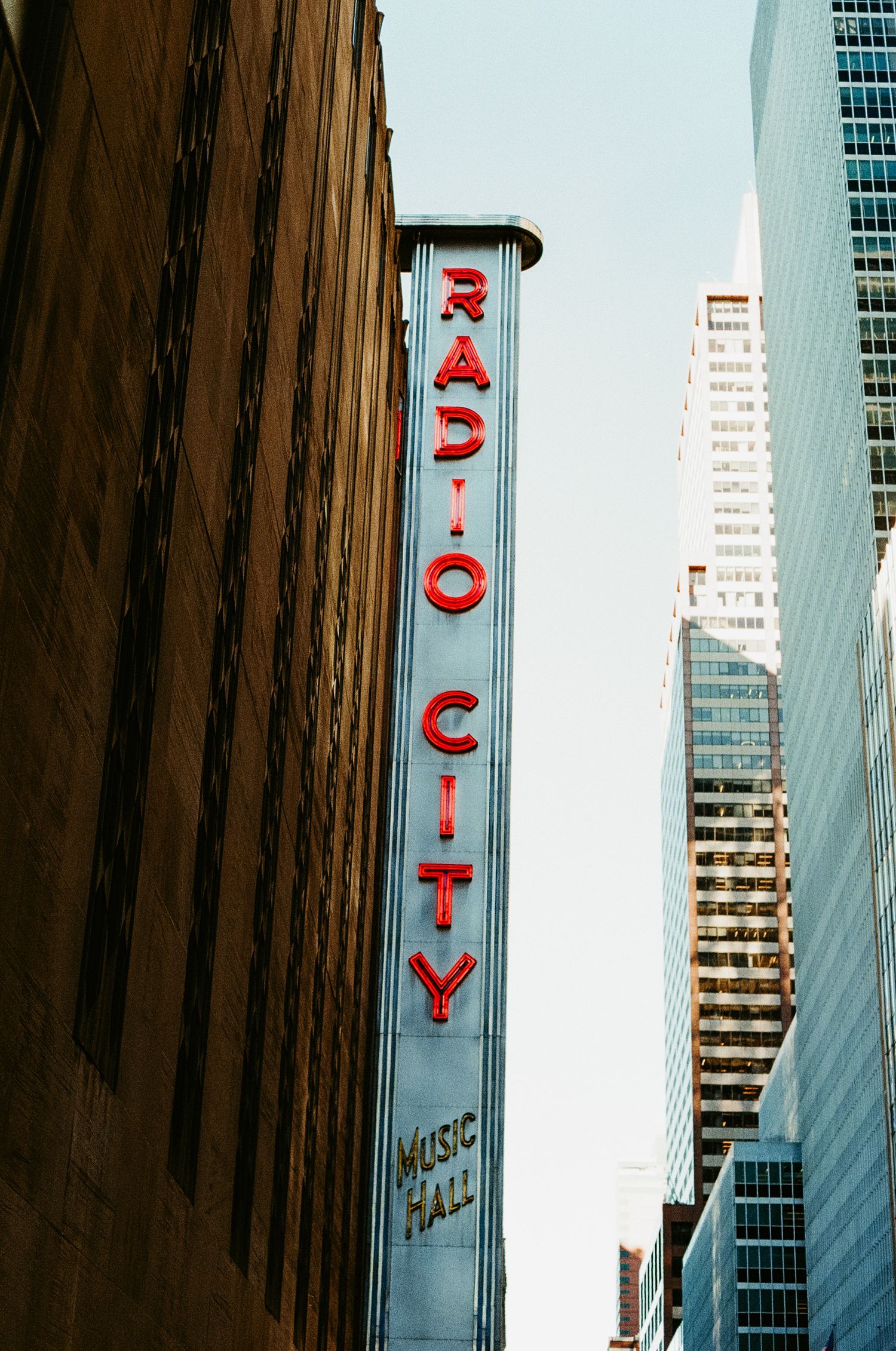
RADIO CITY MUSIC HALL
Radio City Music Hall stood as a steady presence amid the surrounding movement. Marquees glowed against the winter light while crowds gathered, paused, and moved on. On film, the focus shifted to contrast—the geometry of the façade, the repetition of lights, and the people passing through the frame. It read less as an event and more as part of the city’s daily rhythm, where history and routine coexist without interruption.