Wedding Timelines; the Bane of Romance.
When one is planning the “biggest day of their life,” one of the biggest make-or-break factors is the timeline. How the day is laid out. How much time is given to specific moments. Whether hair and makeup runs late. Whether sunset falls during cocktail hour. The list goes on. Don’t get me wrong — as a photographer, one of the most common questions I ask my clients is, “How is the timeline coming along?” or “Have y’all decided on a ceremony time?” It matters. Light matters. Travel time matters. Buffer time really matters.
But have we ever taken a step back to see the bigger picture behind the purpose of a wedding? A wedding is not a production schedule. It’s not a photoshoot with a marriage at the end. It’s not a perfectly curated 8-hour content opportunity. It is two people promising forever. Somewhere between Pinterest boards and perfectly synchronized vendor arrivals, romance can start to feel… scheduled.
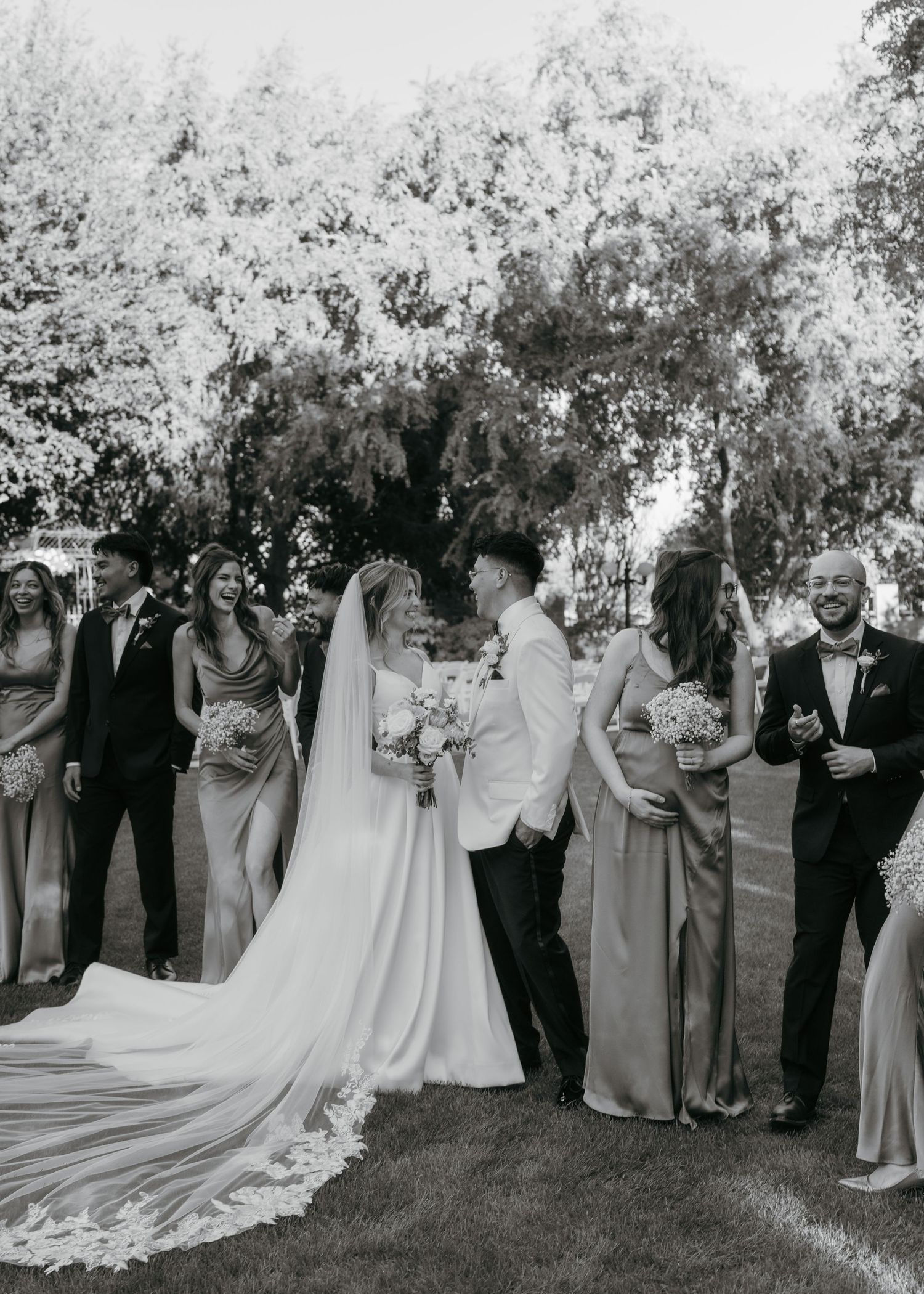
THE PROBLEM WITH OVER-PERFECT PLANNING
I’ve seen timelines planned down to the five-minute mark.
“7:42 – first look. 7:47 – reaction. 7:52 – bridal portraits.”
On paper, it’s impressive. In real life? It leaves no room for nerves. For tears. For the moment when Dad pulls you aside because he suddenly realizes his little girl is getting married.
Love doesn’t operate on a stopwatch.
The irony is that the more tightly we grip the schedule, the more stressed the day can feel. When couples are watching the clock instead of soaking in the moment, something subtle shifts. The energy changes. The laughter feels rushed. The joy feels managed. I think a concept we have lost in the 21st century is that weddings were never meant to be managed like meetings.
Why Timelines Still Matter.
Now — before you think I’m tossing timelines out the window — I’m not. A well-built timeline is actually what protects romance. The difference isn’t whether you have a timeline. It’s whether your timeline was built with intention — or pressure. A thoughtful timeline builds in breathing room. It accounts for travel delays (because someone will hit traffic). It pads hair and makeup by at least 30 minutes (because it almost always runs over). It allows extra time for getting into your dress so you’re not being zipped up while someone is announcing guests have arrived. It protects a quiet 10–15 minutes alone after the ceremony so you can actually process what just happened instead of being immediately swept into hugs and photos.
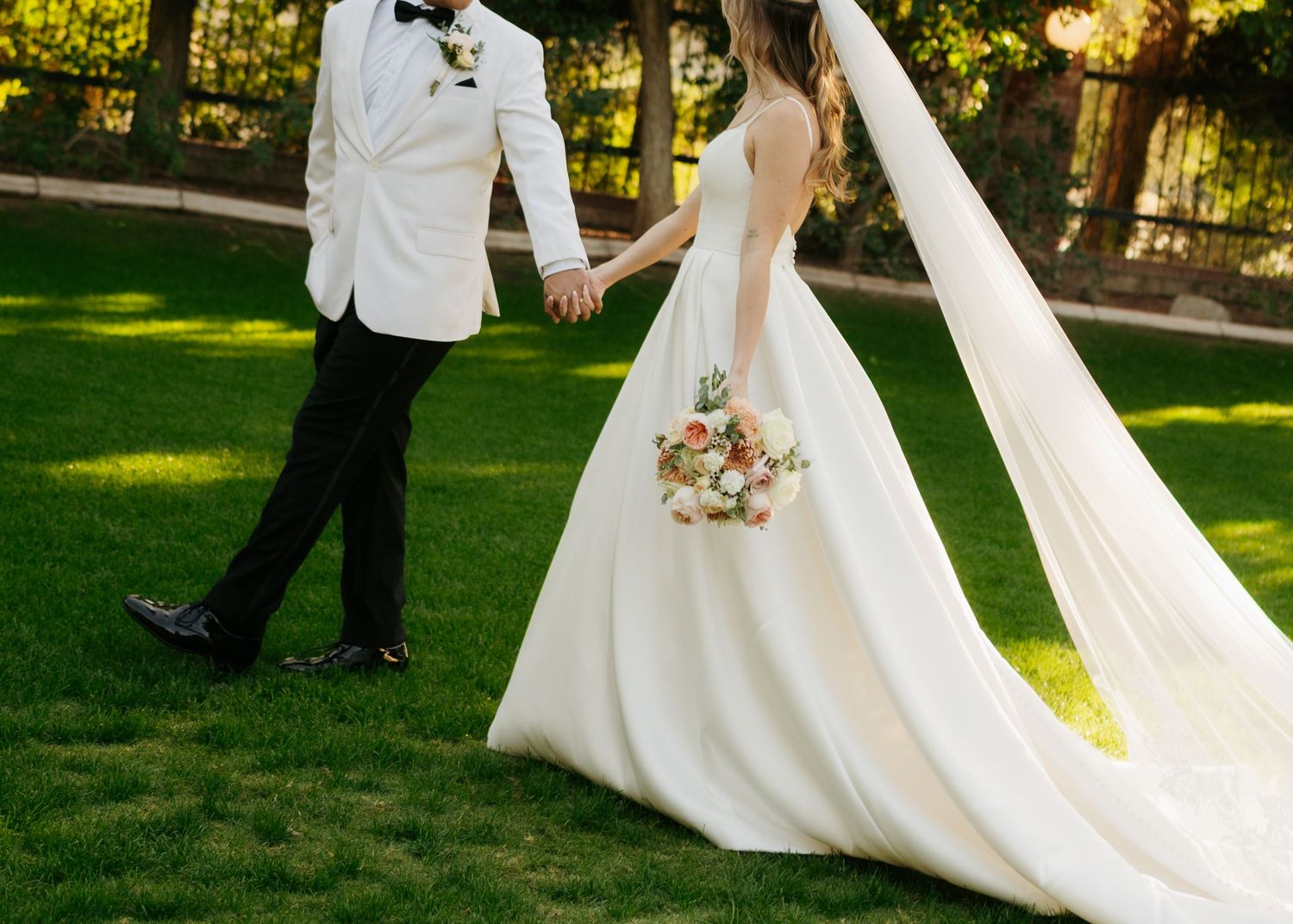
A strong timeline also respects light — because light affects everything. For example: Midday sun (12–3 PM) is typically harsh, overhead, and creates strong shadows under the eyes. Late afternoon light softens. Golden hour — the hour before sunset — creates warm, dimensional, romantic images that feel effortless and timeless. When portraits are intentionally scheduled around good light, you don’t have to force magic. It happens naturally. Skin tones look better. Colors glow. You look relaxed instead of squinting. But it’s not just about photos. A well-structured timeline reduces decision fatigue. It keeps vendors aligned. It prevents guests from waiting too long between events. It allows transitions to feel seamless instead of chaotic.
Here’s what I typically recommend when building a healthy wedding timeline:
Add 15–30 minute buffers around major transitions.
Schedule family photos immediately after the ceremony (while everyone is still gathered).
Avoid cramming all portraits into one single block of time.
Protect golden hour for just the two of you — even if it’s only 10 minutes.
Build in one intentional pause where you get to breathe.
Because the goal isn’t to eliminate structure. It’s to create structure that supports emotion — not suffocates it. When a timeline is built well, you don’t feel rushed. You feel carried. You don’t feel managed. You feel cared for. And instead of watching the clock, you’re free to be present in the moments that matter most. That’s when romance thrives.
“How we spend our days is, of course, how we spend our lives.”
-Annie Dillard
Romance Needs Margin
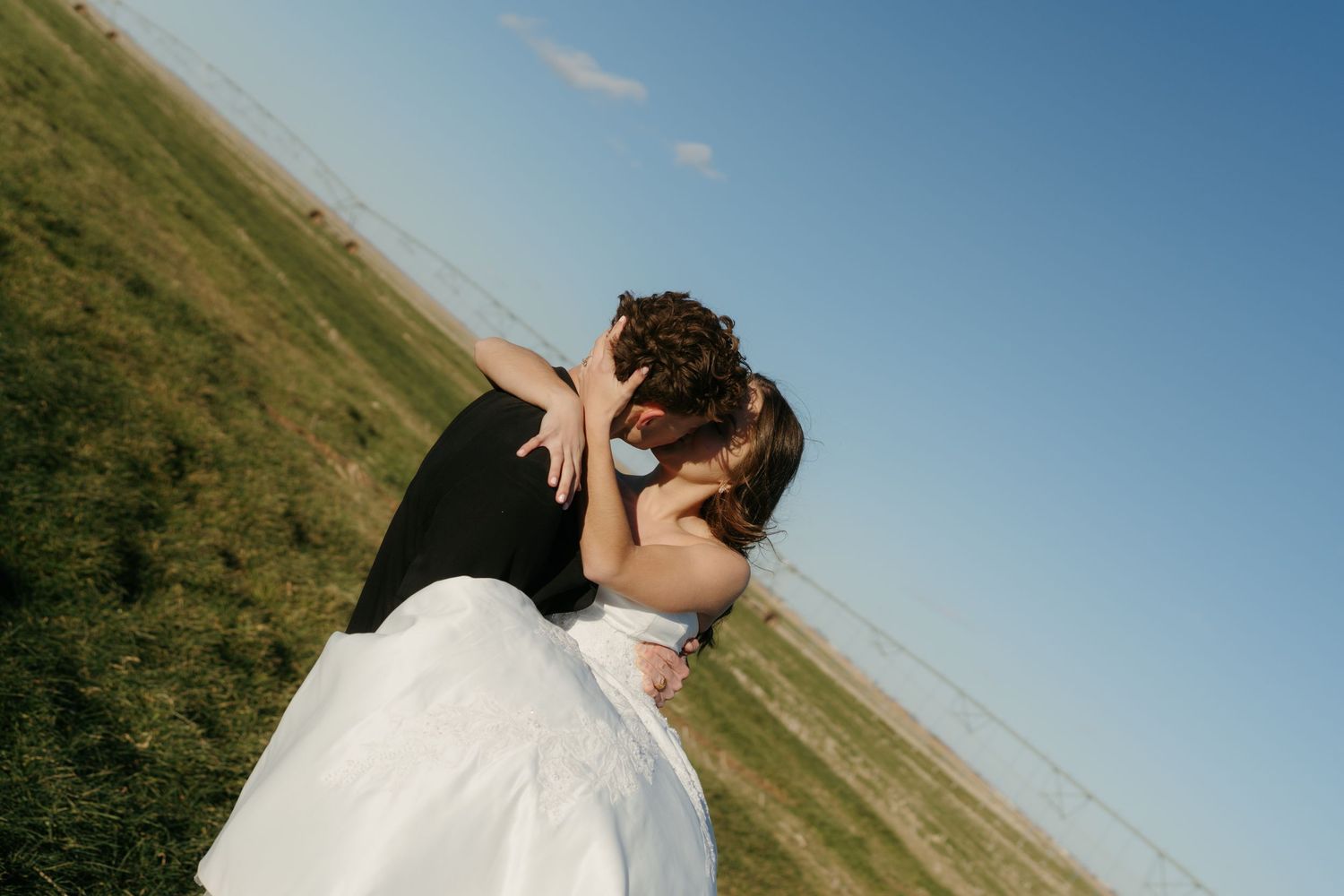
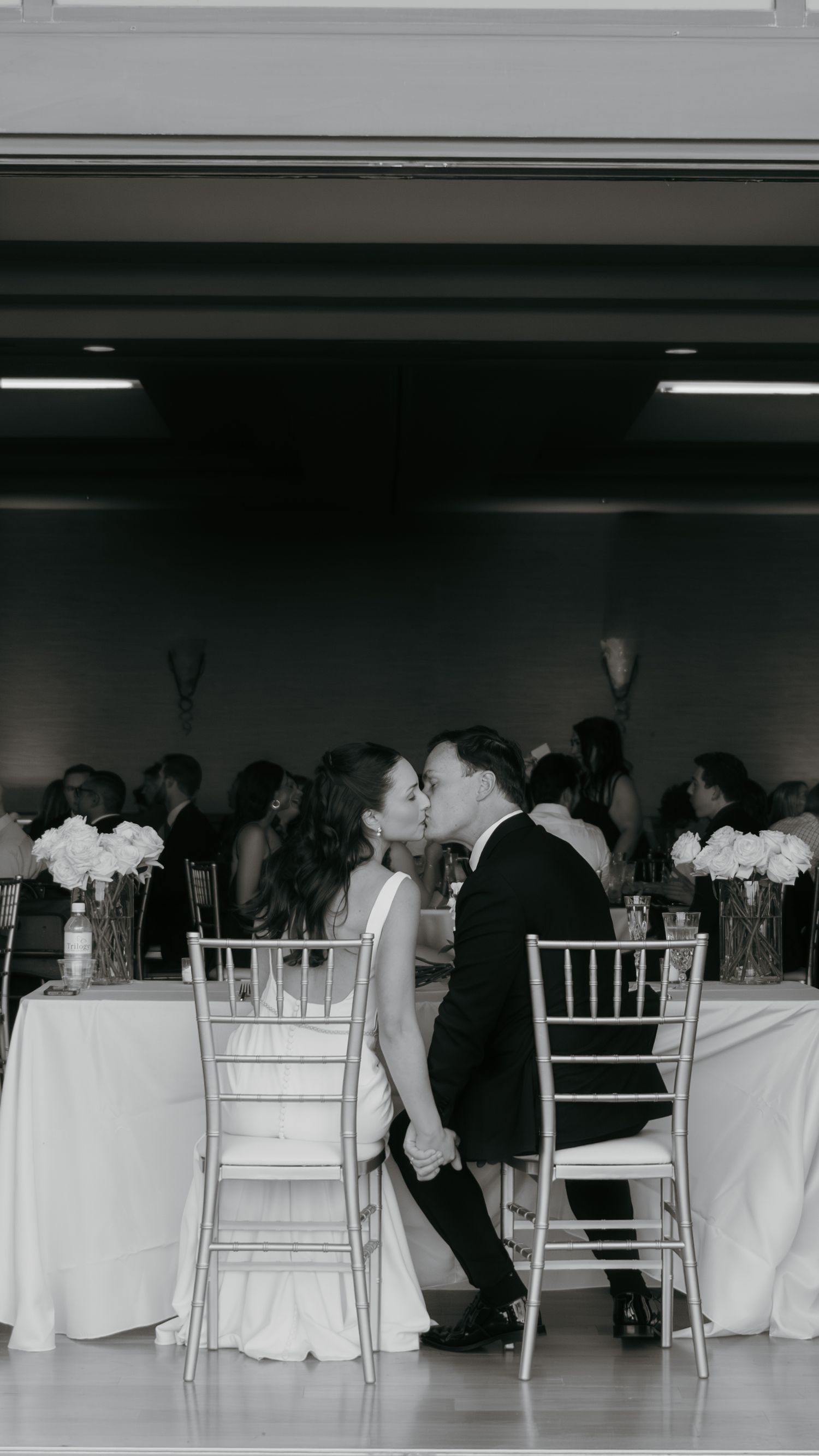
The most beautiful wedding moments I’ve ever captured weren’t scheduled.
They were:
- The groom wiping tears before the doors opened.
- The bride’s grandmother squeezing her hand during the ceremony.
- The just-married couple hiding away for five minutes of quiet, stunned joy.
None of those moments can be forced. But they can be given space. That space only exists when we stop treating the day like a checklist.
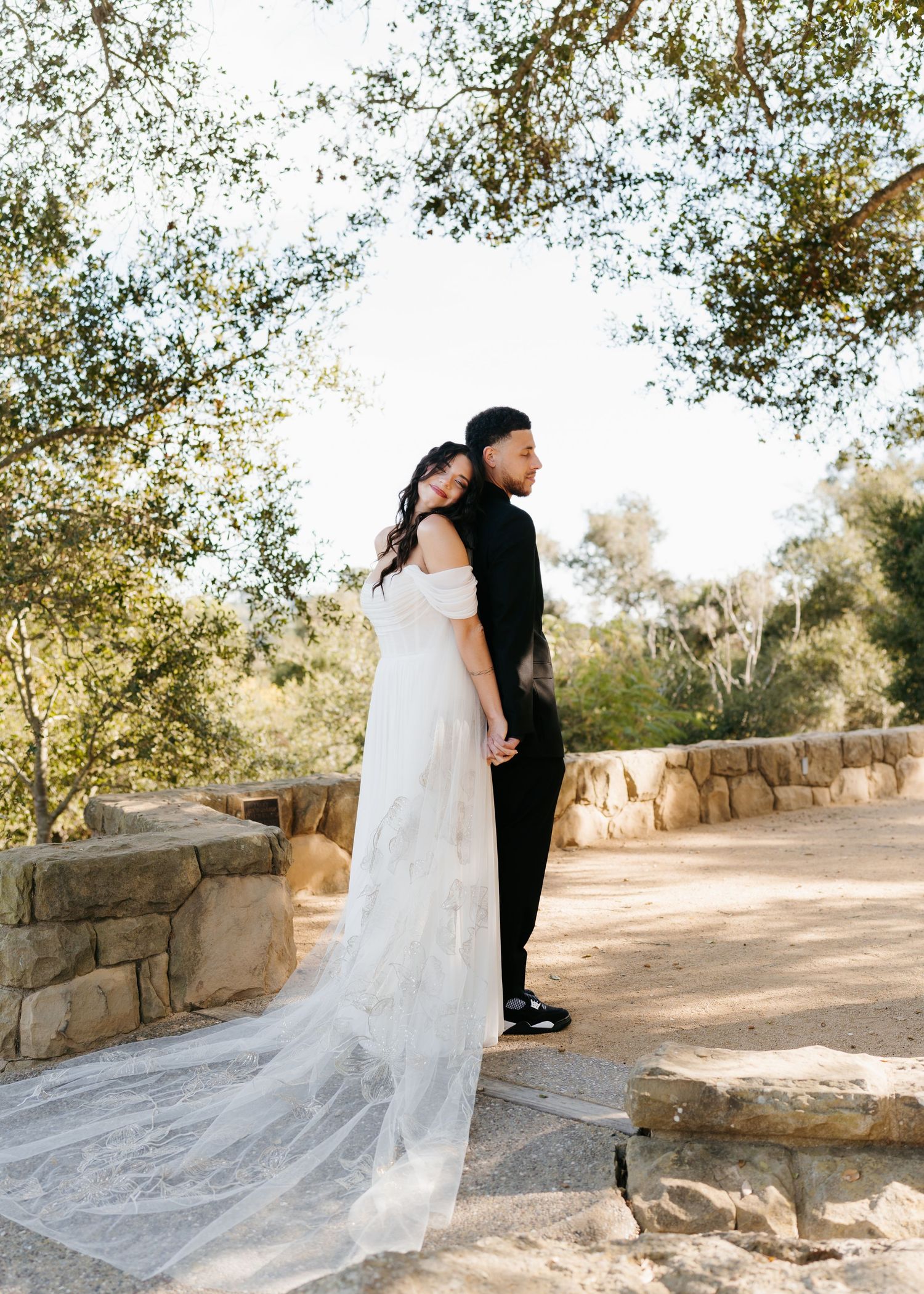
So what's the balance?
here's what I tell my couples:
Build a timeline around light and logistics.
Add buffer time everywhere.
Protect 10–15 minutes of alone time after the ceremony.
Don’t overschedule portraits.
Leave room for the unexpected.
Because the unexpected is usually where the magic lives.
At the end of the day, no one remembers if hair and makeup ran 12 minutes behind.
No one remembers if cocktail hour started slightly late.
They remember how it felt.
They remember the way you looked at each other.
They remember the laughter.
They remember the relief when it was official.
So yes — let’s build a timeline. I’ll probably still ask you about your ceremony time (I can’t help myself). But let’s build it in a way that protects the reason we’re all there in the first place.
Not to run on schedule.
But to fall in love all over again.